

















What is 3-Phase Power?
Electricity is normally supplied in phases.
In the UK, most homes get single-phase (230V) power: one live wire, one neutral.
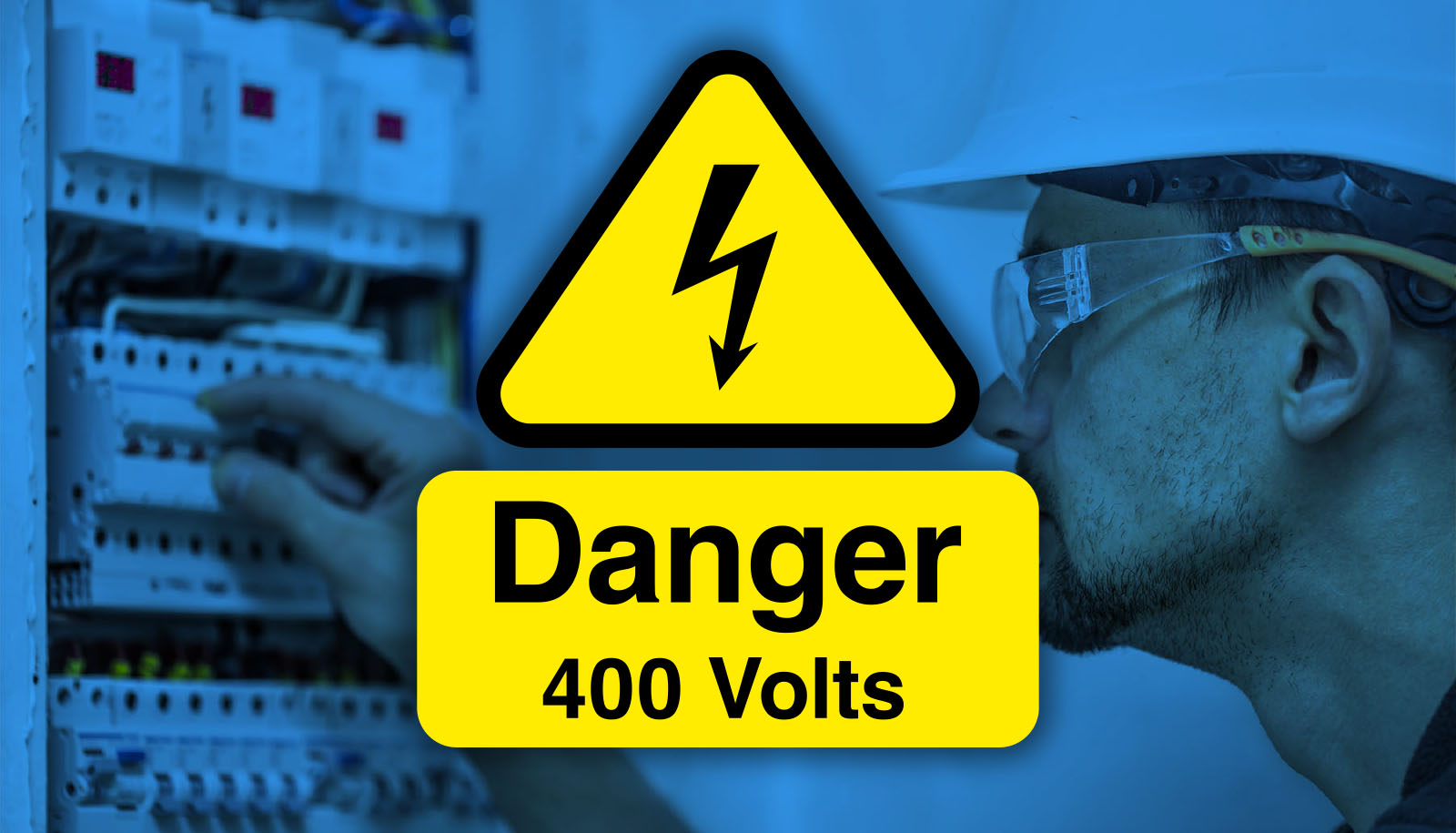
Larger buildings, workshops, factories and some commercial kitchens get 3-phase (400V) power: three live wires, each carrying AC current but out of step by 120°.
Think of it like three waves of electricity, evenly spaced, so the power supply is much smoother and more constant.
Why are some appliances 3-Phase?
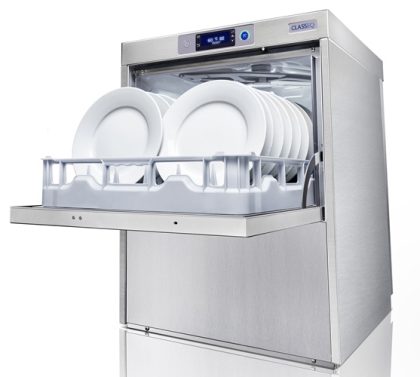
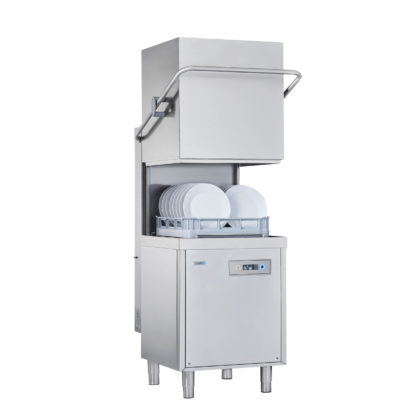
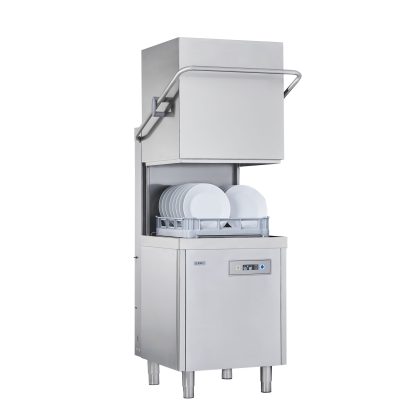
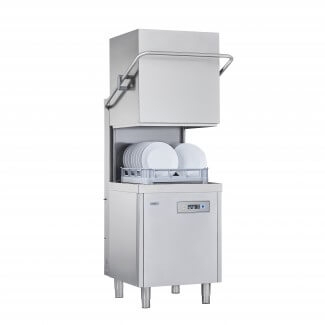
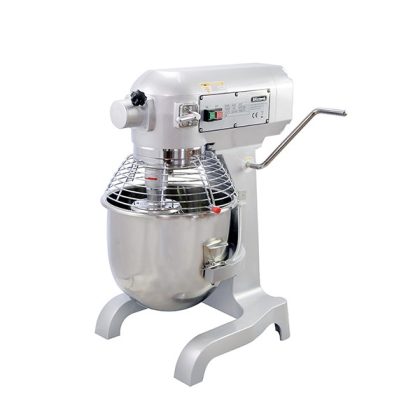
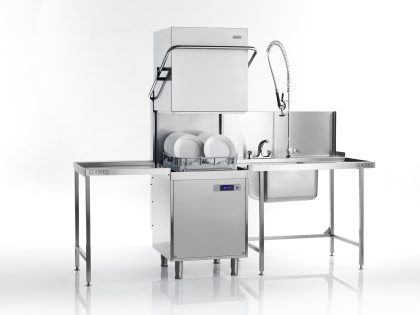
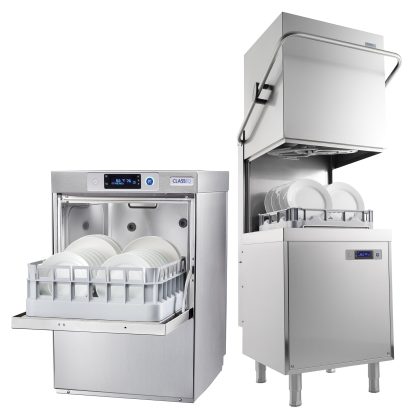
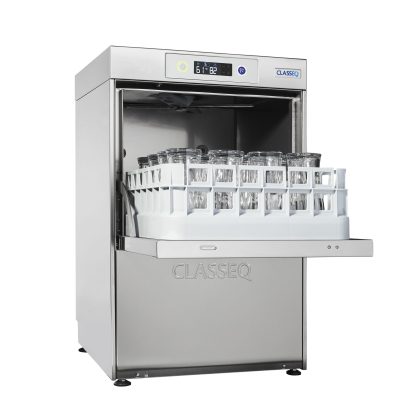
Some appliances (like large commercial ovens, heavy machinery, commercial dishwashers, motors, HVAC units) need a lot of power.
Running them on single phase would mean very thick cables and huge currents – inefficient and impractical.
With 3-phase, the load is spread across three wires, making the system safer, more balanced and more efficient.
Advantages of 3-Phase
More Power Capacity – Can handle high-demand appliances without oversized wiring.
Efficiency – Delivers power more smoothly, especially useful for motors (no “pulsing”).
Balanced Load – Spreads electricity demand across phases, reducing strain.
Smaller Cables – Less copper needed compared to single-phase for the same power.
Scalability – Businesses can run multiple machines off different phases without overloading one.
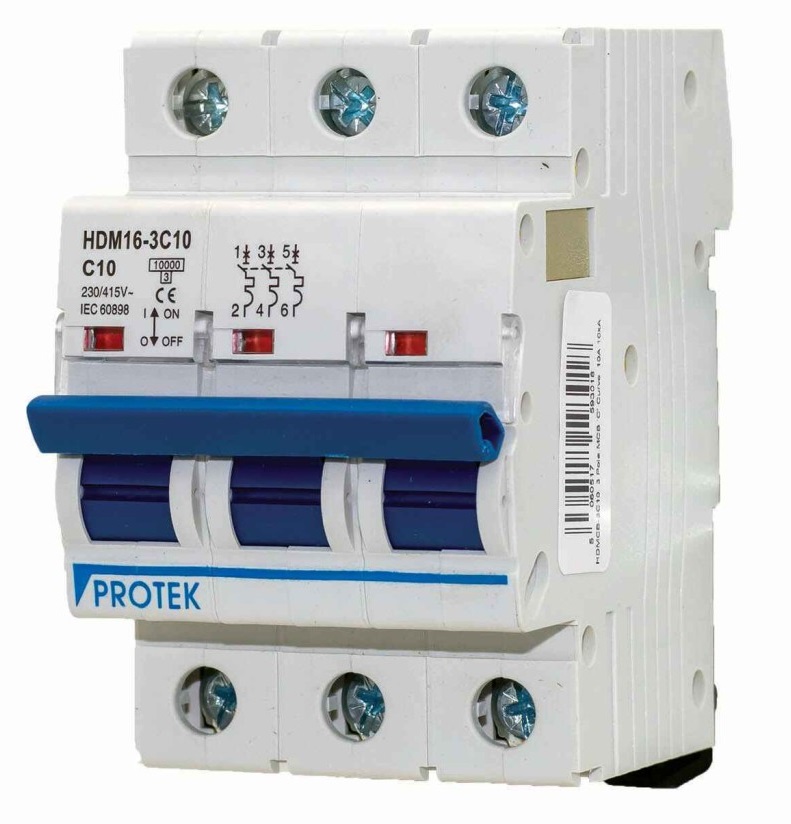
Example: 3-Phase Circuit Breaker in a UK Consumer Unit
Here’s what a typical 3-phase Circuit Breaker looks like in a UK distribution board:
You can see it’s three linked breakers side by side – each one controls one phase, but they trip together for safety.