


















Most UK commercial kitchens run on single-phase power. You only need three-phase (3-phase) when a specific piece of heavy equipment demands it, or when the total electrical load is too high for single-phase to carry safely.
What is 3-phase power?
Electricity is supplied in phases. Most UK homes and small premises get single-phase power: one live wire and one neutral, at 230 volts. Larger buildings such as workshops, factories and many commercial kitchens get three-phase power: three live wires at 400 volts, each carrying alternating current but 120° out of step with the others.
The practical effect is a smoother, more constant supply. Instead of one wave of power rising and falling, there are three evenly spaced waves, so the delivered power never drops to zero. That matters for equipment with large heating elements or motors, which draw heavily and would otherwise cause voltage dips on a single-phase circuit.
Three-phase also spreads the load. A large appliance pulling 30 amps across three phases is much easier on the wiring than the same appliance pulling 90 amps down one phase, so the cables can be thinner and they run cooler. A three-phase building can also run several large machines off different phases without overloading any one of them.
Does your equipment actually need 3-phase?
Check the rating plate (the label on the back or underside of the unit) or the spec sheet, and look at the voltage and phase. A plate marked 400V, 415V, 380-415V, 3~, 3N~ or 3-phase needs three-phase power. A plate marked 230V, 240V, 1~ or single phase does not.
As a rule of thumb, the equipment in a commercial kitchen that usually needs three-phase is the high-power electric gear:
- Large electric commercial ovens, ranges and combi ovens
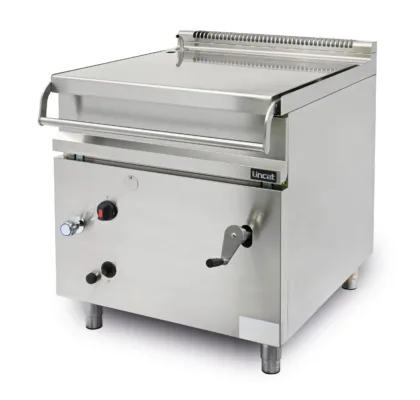
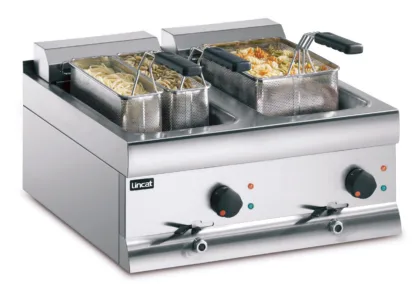
- Large electric fryers and bratt pans
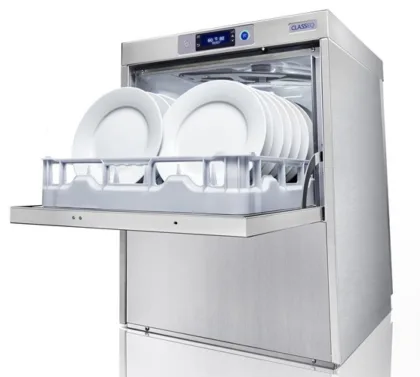
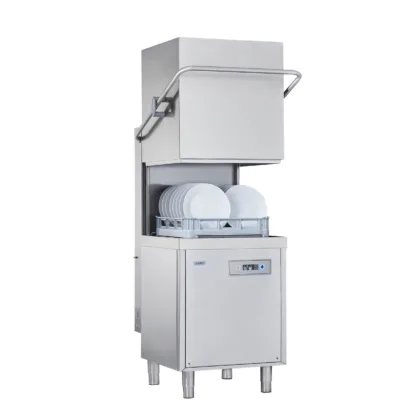
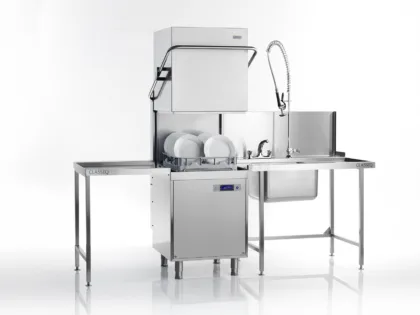
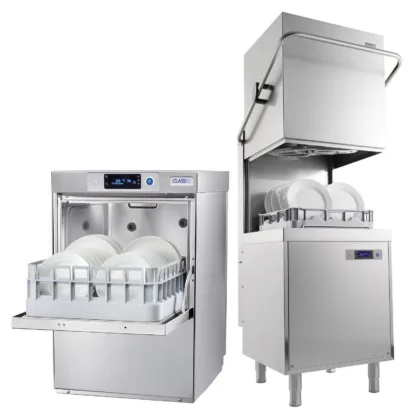
- Pass-through and conveyor commercial dishwashers
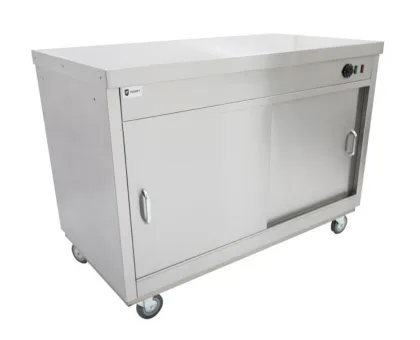
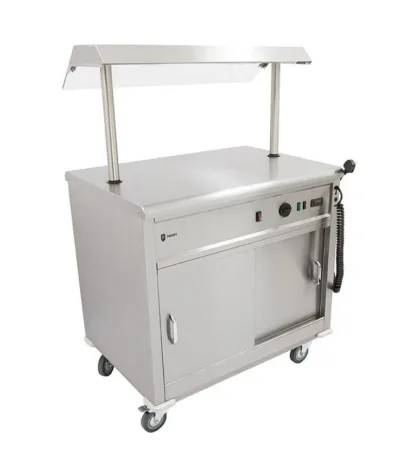
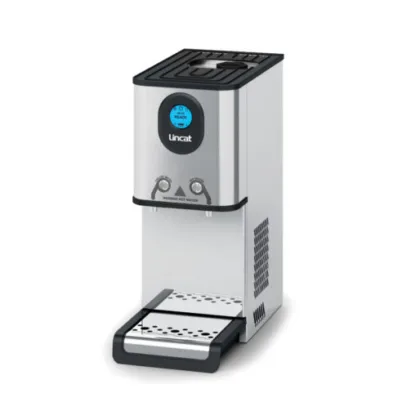
- Large water boilers and hot cupboards
- Extraction fans and HVAC units with large motors
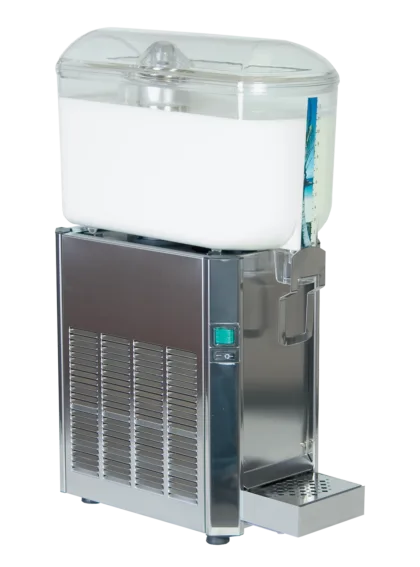
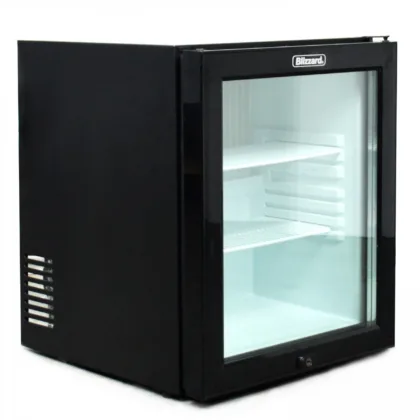
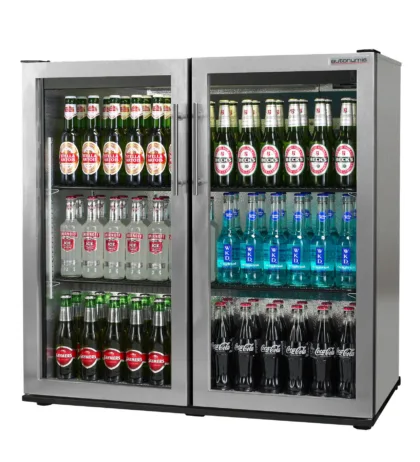
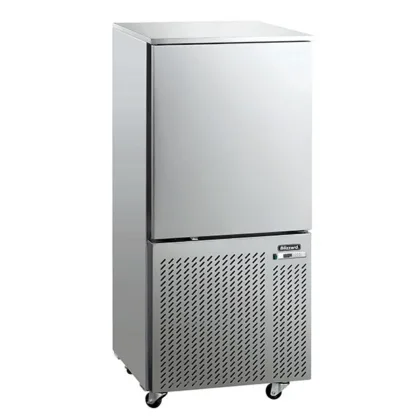
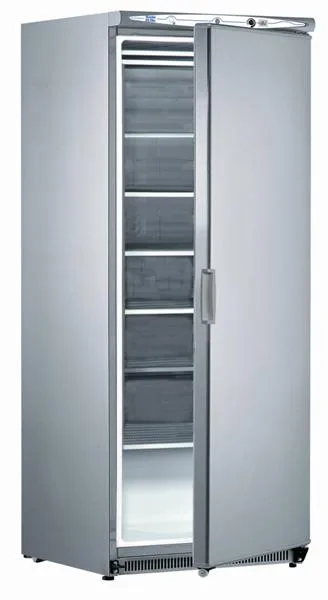
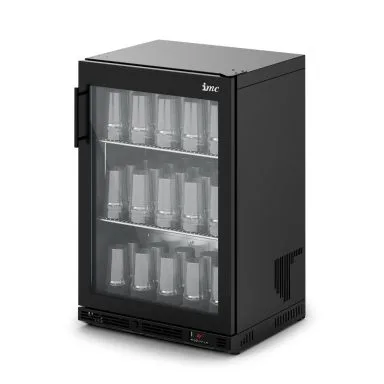
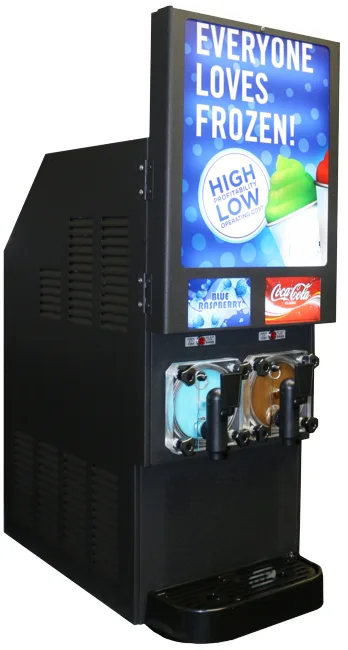
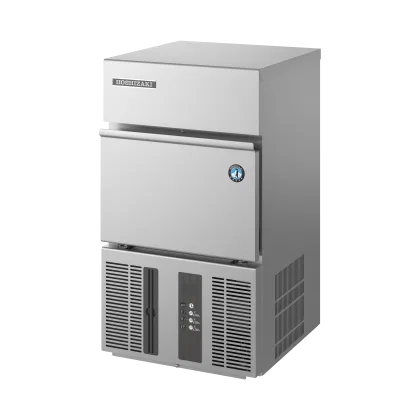
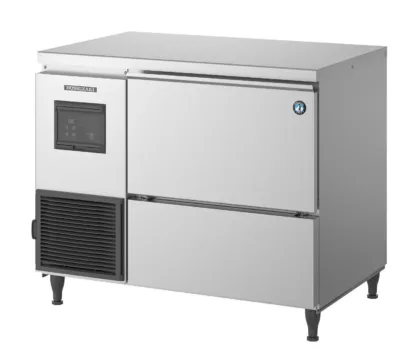
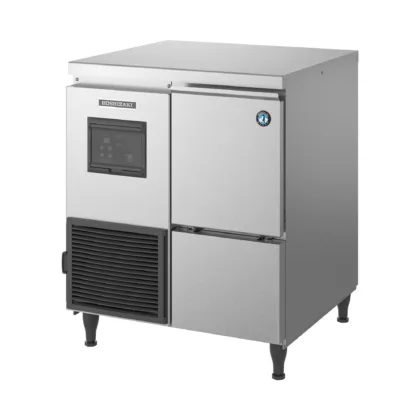
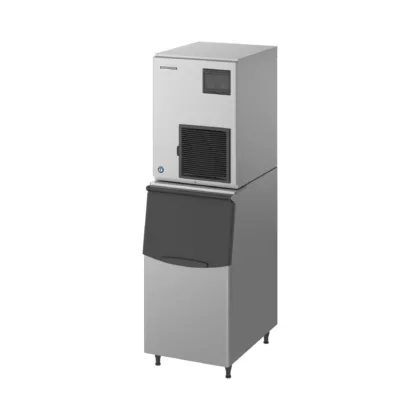
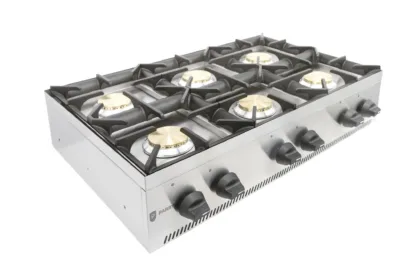
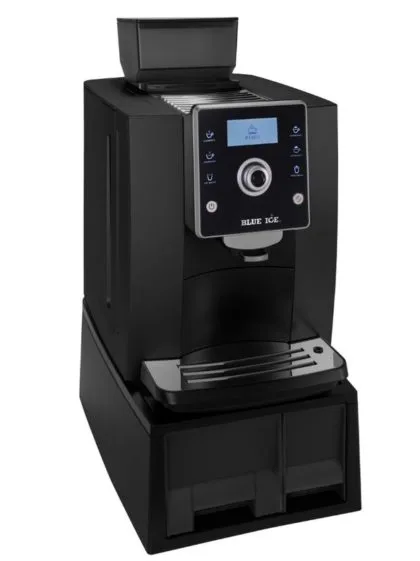
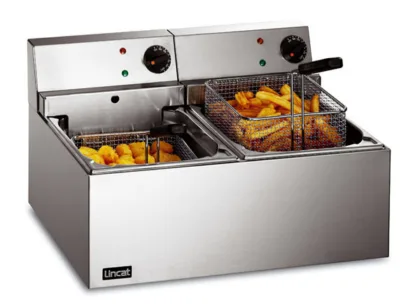
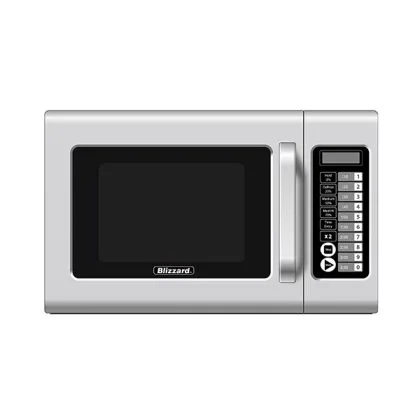
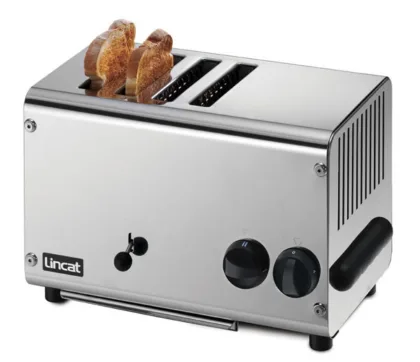
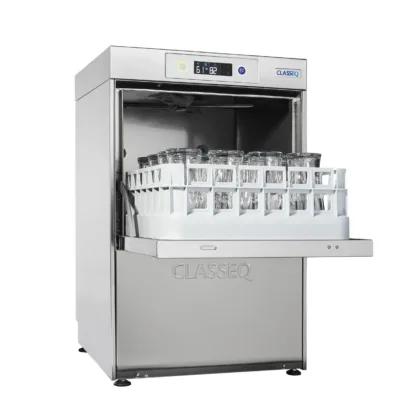
Most other kitchen equipment runs on single-phase: countertop appliances, undercounter glasswashers, small fryers, microwaves and nearly all refrigeration. Gas equipment only needs single-phase power for its ignition and controls, however large it is.
If you are still specifying a kitchen, settle this before you order. A model that needs three-phase in a building that only has single-phase means either a different model or a supply upgrade.
How to check what your building already has
Two quick visual checks tell you most of what you need.
Look at the incoming supply and meter first. One thick live cable (“tail”) into the meter means single-phase. Three live tails, usually brown, black and grey, plus a neutral means three-phase.
Then look at the consumer unit, or fuse board. A three-phase board has its main switch and breakers arranged as sets of three linked poles side by side. Each set controls one phase, and they trip together for safety.
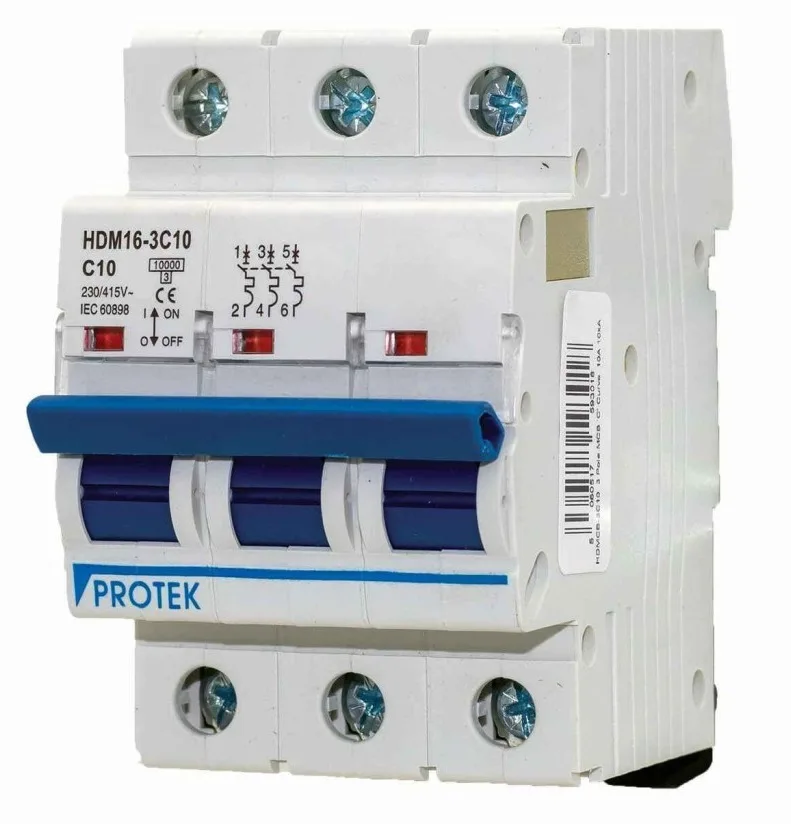
A three-phase circuit breaker: three linked poles that trip together, one per phase.
If you are not sure, an electrician can confirm it in a few minutes. Your DNO (the Distribution Network Operator, the company that owns the cables in your street, not your energy supplier) also holds the record for your address. It is common for a commercial building to have three-phase coming into the building but only single-phase wired through to the kitchen, so check the supply itself, not just the kitchen board, before you assume the network has to be involved.
What a 3-phase upgrade costs
It depends on how far the three-phase supply already reaches.
If three-phase is already in the building, the work is an electrician’s job: a new three-phase circuit and a three-phase distribution board. Commercial electrician day rates in 2026 run roughly £300 to £500 a day, and a straightforward job is one to two days plus the board.
If the DNO has to bring three-phase to the property, it costs a lot more. Connection charges start at around £1,800 including VAT, which is UK Power Networks’ published minimum, and rise steeply from there. A total of £3,000 to £12,000 or more is typical, and quotes of £6,000 to £10,000 are common in 2026 for anything that is not straightforward, before any groundworks to dig up the cable route and before the new board and meter. A three-phase meter and the consumer-unit work add a few hundred to a couple of thousand pounds on top.
The cheapest case is when a three-phase cable already runs past the property and only the service connection needs upgrading. The most expensive is when the network has to lay new cable or reinforce a local substation.
Lead time matters as much as cost. The DNO quotes and schedules this work in weeks to months, not days. If a new kitchen needs three-phase, get the quote moving while the kitchen is still being designed, not when the equipment arrives.
The short version
- Most commercial kitchens are fine on single-phase. Three-phase is for specific heavy electric equipment.
- Check the rating plate of anything large before you buy it. 400V or 3~ means three-phase.
- Check your incoming supply and board before you assume you need an upgrade. You may already have three-phase.
- If you do need an upgrade, it ranges from an electrician’s day rate to £10,000 or more of DNO work, and it takes weeks to arrange.
Barcare’s engineers check the electrical supply as part of every kitchen survey and installation, and we match the equipment to the power you have. If you are planning a kitchen or replacing a large piece of equipment, talk to us first, or browse the commercial kitchen equipment range with the voltage filters applied.


