









Why Drying Matters: Getting the Glass Right Behind the Bar
Most bars put real effort into washing glasses and then leave the drying to chance. Ask any experienced publican and you get the same answer: a pint poured into a wet glass is a pint wasted. It kills the head, flattens the beer and puts a poor drink in front of a paying customer.
Fast, hygienic glass drying is part of getting the round out, not an optional extra. Here is why it matters and what a commercial glass dryer changes.
Space is tight and service is fast
Small venues rarely have room to stand dozens of clean glasses out to air dry for fifteen or twenty minutes. In a rush you need the glass back on the shelf, dry, in the time it takes to pull the next pint.
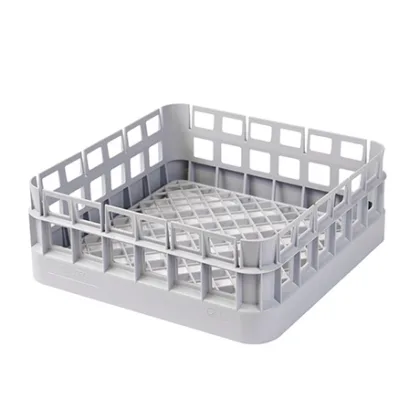
A commercial glass dryer pushes high-speed air through a full basket straight out of the glasswasher and has it dry in a few minutes. No draining racks on the back bar, no waiting.
A wet glass kills the pint
Pouring beer into a wet glass breaks down the head, the foam that holds the carbonation and carries the aroma. Without it the pint looks flat before the customer has touched it, and a bad pour undoes a well-kept beer.
A warm glass gets sent back
Using a glass too soon after a hot wash cycle is another common mistake. Beer drinkers do not want a warm glass. It throws off the flavour, makes the beer foam more than it should and can make a good ale taste off. A glass dryer uses ambient air rather than heat, so glasses come out dry and at room temperature, ready to use.
Tea towels are a hygiene risk
Drying glasses with a bar towel or blue roll looks quick, but it is a food safety problem. Cloths carry bacteria, shed fibres and leave detergent or fabric-softener residue on the rim. Environmental health officers consistently advise against it. Hand-drying with a towel that has been round the bar all night risks cross-contamination and a mark on your hygiene rating. Air drying takes the cloth out of the process.
Your glasswasher sets the ceiling
How well glasses dry depends on how well they were washed, which venues often overlook. If the glasswasher is underperforming, no dryer will save the glass from spots or film. Signs the wash needs attention:
- Water beads on the glass after a cycle instead of running off in an even sheet.
- Marks show up after drying, usually detergent residue, grease or limescale, and usually a maintenance issue.
- The glass smells, which points to build-up inside the washer or the wrong detergent.
Keep the machine clean and descaled, get it serviced, and use proper commercial detergent and rinse aid. A well-run washer gives you spot-free glasses that a dryer finishes in minutes. If yours is past its best, look at our commercial glasswashers.
What a glass dryer is for
A commercial glass dryer earns its place where service is fast and glass storage is limited, where hygiene inspections matter and you want the cloths gone, and where how the pint looks on the bar counts. It keeps you compliant and keeps glasses moving through a busy service.
The DriPod range
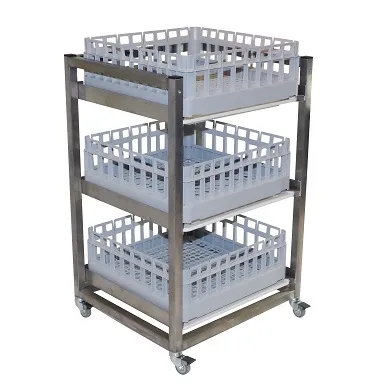
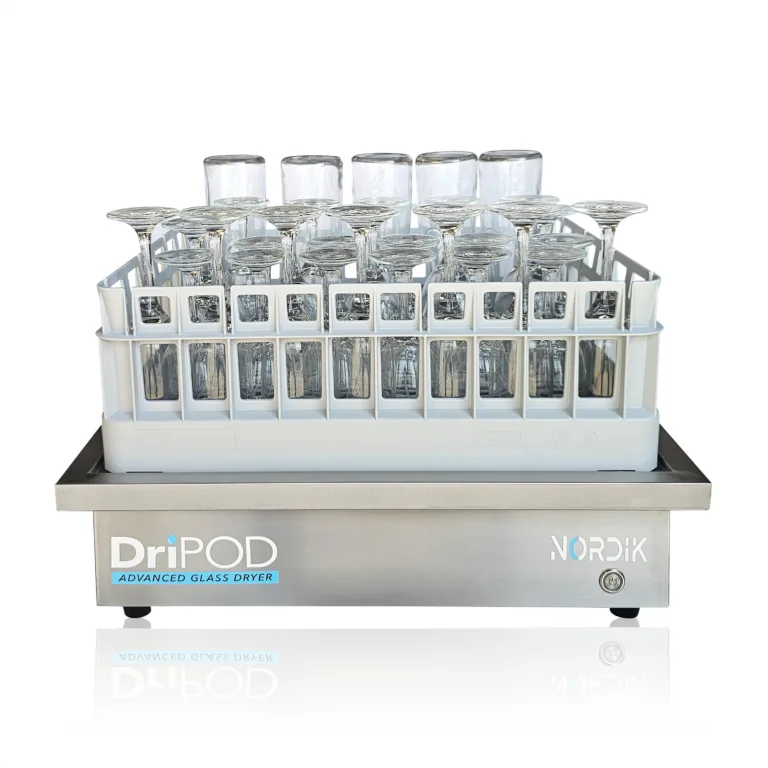
We stock the DriPod range, built by Nordik in 304 stainless steel. Two models, and the choice is basket size:
- DriPod 400 takes a basket up to 400mm. One high-speed fan, 115W, 8.9kg. From £539.99 ex VAT.
- DriPod 500 takes a basket up to 500mm, with twin fans that clear a full rack faster. 230W, 12.4kg. From £594.99 ex VAT.
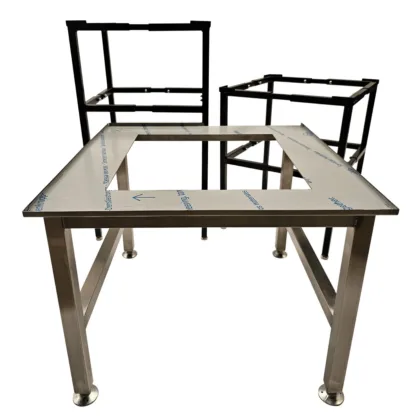
Both run from a standard 13A socket on 220-240V single phase, with one illuminated on/off switch and no timer to set. Unpack it, plug it in, use it. It sits next to the glasswasher or on a stand to keep the counter clear, and the one-year warranty covers parts and labour.
See the full glass dryer range, or rent one on the same all-inclusive terms as our glasswashers, with a six-month minimum term.


