




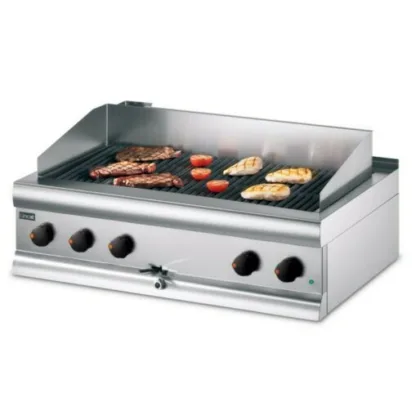
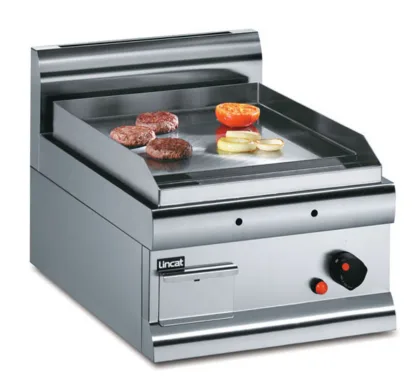
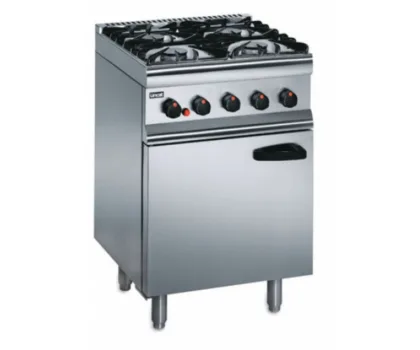
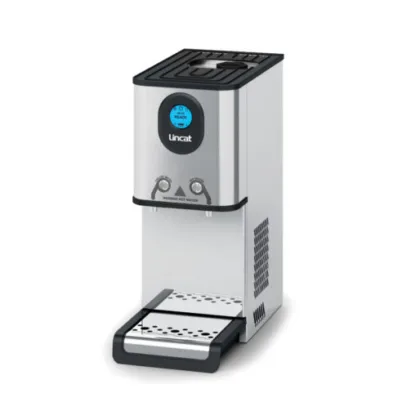







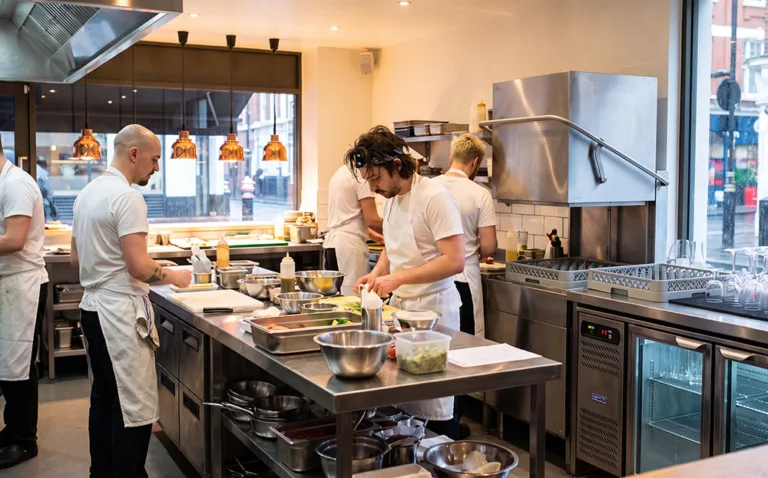
Equipping a commercial kitchen is one of the biggest cheques a hospitality business ever writes. Kitchen equipment can swallow 60 to 70% of a restaurant’s entire startup budget, with even a small kitchen costing £25,000 to £40,000 to fit out (Square, restaurant start-up costs guide, 2025). Whether you rent, lease or buy that equipment shapes your cash flow for years.
The quick answer
Renting suits venues that need to protect cash and can’t afford downtime: one fixed weekly payment covers the machine, installation, parts and labour. Buying suits venues with capital, soft water and low breakdown risk. At 2026 prices, essential bar equipment rents from £15 to £55 per week per machine, while buying the same kit costs £1,980 to £3,800+ upfront per item, before repairs.
We rent, lease and sell the same machines at Barcare, so we don’t need to sell you one answer. This guide gives you the real numbers for all three routes: what equipment costs to buy, what it rents for, the five-year maths, the tax differences, and the honest cases where each option wins.
In this guide
- Renting, leasing and buying: the difference
- Why this decision matters more in 2026
- What equipment costs to buy
- What equipment costs to rent
- The five-year maths
- How renting and buying are taxed
- The hidden costs of owning
- When buying is the right call
- When renting is the right call
- The mixed-fleet approach
- Getting started
- Frequently asked questions
What’s the Difference Between Renting, Leasing and Buying?
Renting means paying a weekly or monthly fee for equipment the supplier owns, maintains and repairs. Leasing is a finance agreement: you commit to a fixed term, and maintenance is usually your problem. Buying means you own the machine, the repair bills and the replacement cost.
The three routes differ on four things:
- Who owns the machine. Buyer, or finance company, or the rental firm.
- Who fixes it. Rental normally includes parts and labour; leased and owned machines don’t.
- Commitment. Rental agreements are the most flexible; leases lock you in for the term.
- Cash required on day one. Buying needs the full price; renting usually needs none.
A common misconception is that rental is just “hire purchase without the purchase”. It isn’t. With a proper rental agreement you’re paying for an outcome, a working machine every trading day, rather than working towards owning an asset that’s depreciating in a hot, wet, salty environment.
In 2025, UK businesses took out a record £24 billion of asset finance as SMEs (Finance & Leasing Association, asset finance statistics, 2025), so financing equipment rather than buying it outright is now completely mainstream, not a sign of a struggling business.
Why This Decision Matters More in 2026
Because margins have never been thinner. In the first half of 2025, Britain lost two licensed venues per day, 374 net closures, with leased and tenanted sites shrinking fastest at 3.3% (CGA by NIQ and AlixPartners, Hospitality Market Monitor, 2025). The venues that survive are the ones that control their fixed costs.
The pressure is coming from every direction at once. In 2026, 95% of hospitality operators report higher wage costs, 89% higher food costs, 84% higher insurance and 57% higher energy (UKHospitality, Quarterly Members’ Survey, 2026):
And it has kept coming. Since April 2026 the National Living Wage has been 4.1% higher at £12.71, adding £1.4 billion to the sector’s wage bill (UKHospitality, Budget wage analysis, 2026), while per-site network energy charges are projected to nearly double in 2026/27 (UKHospitality, 2026 energy shock briefing, 2026). Pubs at least have rates relief coming: on 23 July 2026 the government confirmed a 20% cut to business rates for pubs, social clubs and live music venues in England from April 2027, on top of the 15% relief for 2026/27, although restaurants, cafes and hotels are left out (Grant Thornton, Autumn Budget 2026 predictions, 2026).
Plenty of operators have already stopped spending. When April’s business rates and wage changes landed, a joint survey by UKHospitality, the British Beer and Pub Association, the British Institute of Innkeeping and Hospitality Ulster found 51% of members cancelling investment plans, 64% cutting jobs and 42% reducing trading hours (joint trade body survey, reported by The Spirits Business, 2026). Cancelling a capital purchase protects this year’s cash, but the machine already sitting under your bar still breaks when it breaks.
None of those costs are optional. Equipment is one of the few large costs where you still get to choose the shape of the spend: a big unpredictable lump, or a small flat line.
What Does Commercial Catering Equipment Cost to Buy?
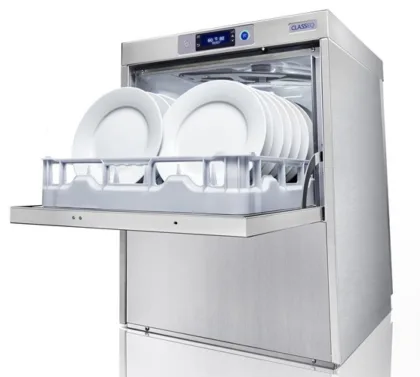
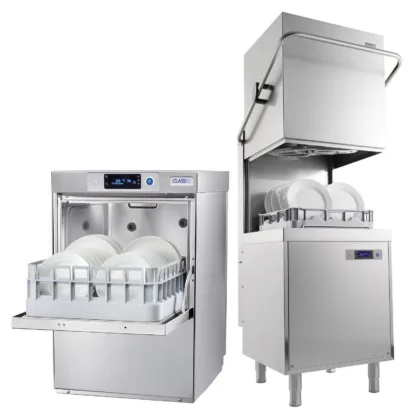
At 2026 prices, buying new warewashing and bar equipment costs roughly £1,980 for a 400mm glasswasher to over £3,800 for a pass-through dishwasher, per machine and before installation. A full small-kitchen fit-out runs £25,000 to £40,000, and larger kitchens £60,000 to £100,000 (Restroworks, cost to open a restaurant UK, 2025).
Typical new purchase prices for the equipment a bar actually needs:
| Equipment | New purchase price | Source, 2026 |
|---|---|---|
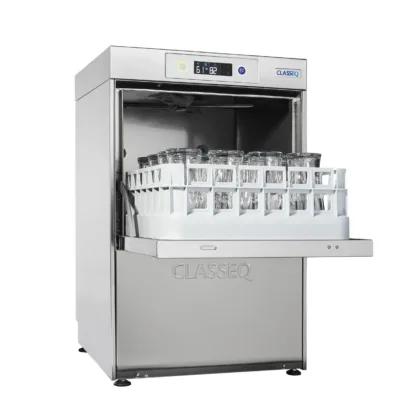
| Undercounter glasswasher (400mm) | £1,981.99 – £2,306.99 ex VAT | Barcare |
| Glasswasher (500mm) | £2,366.99 – £2,694.99 ex VAT | Barcare |
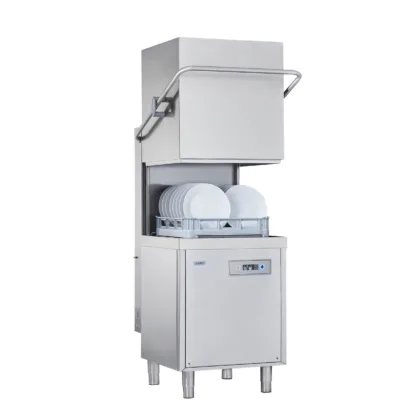
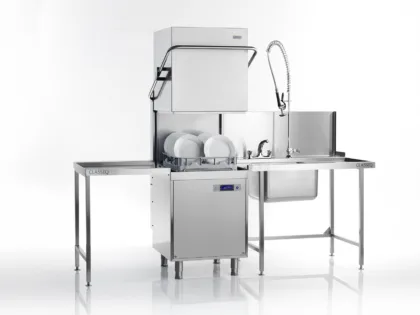
| Pass-through dishwasher | from £3,822.99 ex VAT | Barcare |
Those are the sticker prices. Add delivery, installation (a 32-amp or three-phase machine may need electrical work first), water treatment in hard-water areas, and an annual service if you want to keep the warranty meaningful. The purchase price is the entry fee, not the total cost.
What Does Catering Equipment Rental Cost?
At 2026 prices, Barcare rents commercial bar and warewashing equipment from £30 to £240 per month (+VAT) per machine, which works out at roughly £7 to £55 per week. Every agreement includes installation, staff training and a continual parts and labour warranty (Barcare, rental equipment pricing, 2026). For one machine in detail, see how much commercial glasswasher rental costs in the UK.
Our full published price ranges, straight from the rental pages:
| Equipment | Monthly (+VAT) | Weekly (+VAT) | Models |
|---|---|---|---|
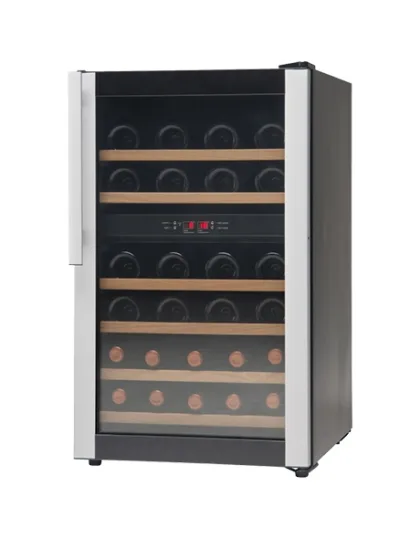
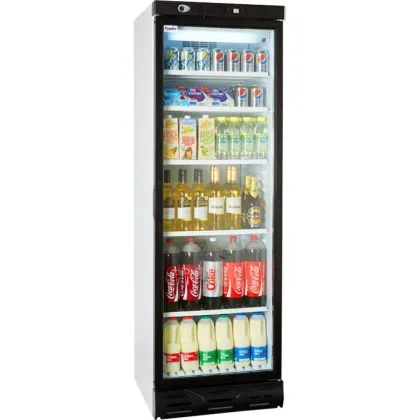
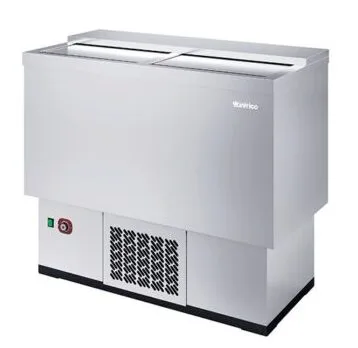
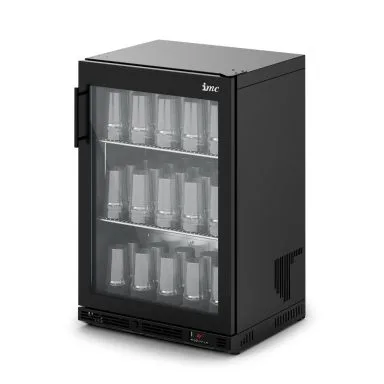
| Bottle coolers | from £30 | from £6.92 | Single to triple door |
| Glass dryers | from £35 | from £8.08 | 400mm & 500mm |
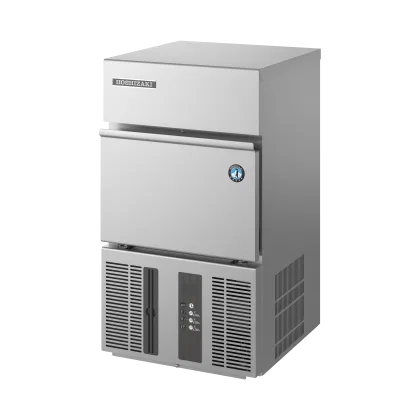
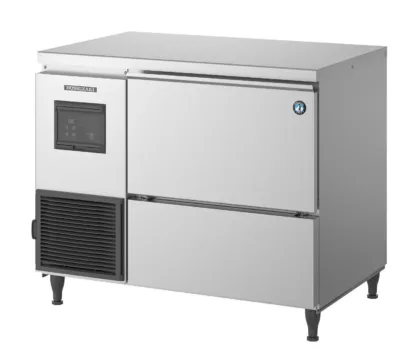
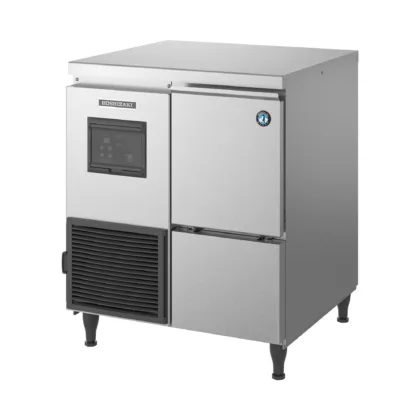
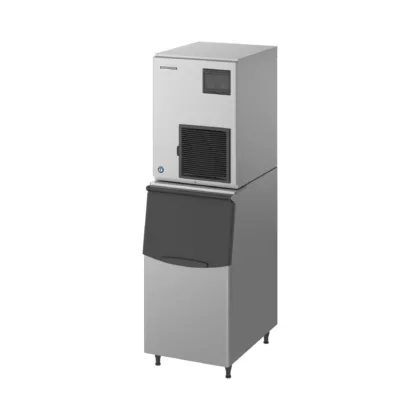
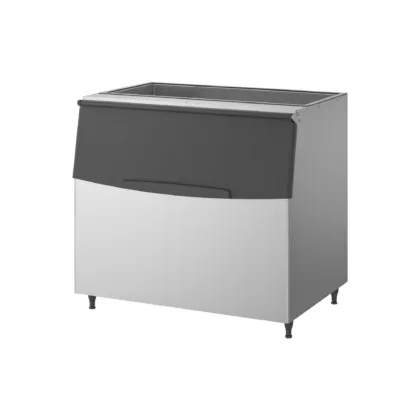
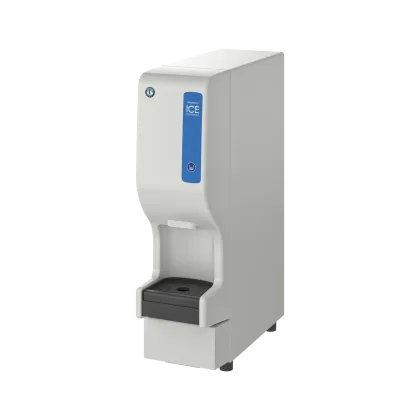
| Ice machines | £50 – £145 | £11.54 – £33.46 | Hoshizaki IM25 to IM100 (25–105kg/day) |
| Glasswashers | £65 – £125 | £15.00 – £28.85 | Classeq GW350 to GW500 |
| Dishwashers | £75 – £240 | £17.31 – £55.38 | Classeq DW40 to DWPT50 pass-through |
For a typical wet-led pub, a glasswasher, bottle cooler and small ice machine together rent for around £145 a month (+VAT). That’s the entire bar backline, installed and warrantied, for less than one night’s till from a decent Friday.
Two of those machines have their own detailed pricing guides: what an ice machine costs to hire in the UK, and how commercial dishwasher rental compares with buying outright.
Related pricing
Glasswasher rental: every model and price we publish
The Five-Year Maths: A Worked Example
Take a 400mm glasswasher, the standard machine for a busy pub. Renting it at £75 a month (+VAT) costs £4,500 over five years, everything included. Buying ranges from £1,980 to £2,310 ex VAT upfront, plus servicing, repairs and any electrical work, all at your risk.
Read that chart honestly and you’ll see why we tell people both answers. For example, if the bought machine runs five years with nothing worse than routine servicing, buying wins by around £2,120. That’s a real outcome for a light-use venue with soft water and a careful team.
But the gold bars only show the costs you can predict. One failed wash pump, one control board, one Bank Holiday emergency callout, and the gap closes quickly. And if the machine dies in year four, you’re buying again, while the rental customer is simply handed a working machine. The five-year totals aren’t the whole question. The variance is.
How Are Renting and Buying Treated for Tax?
Rental payments are an operating expense: they’re normally fully deductible from your profits in the year you pay them, with no capital allowance calculations involved. Buying is a capital purchase, which you claim instead through capital allowances such as the Annual Investment Allowance (GOV.UK, claim capital allowances, 2026).
In practice, most profitable businesses can get tax relief either way. The differences that matter day to day:
- Simplicity. Rental invoices go straight into the P&L. No asset register, no depreciation schedule.
- Timing. Rental relief arrives as you pay. Capital allowances usually give relief up front in year one, which helps in a profitable year and is wasted in a loss-making one.
- VAT. Both rental payments and purchases carry reclaimable VAT for VAT-registered businesses.
- The balance sheet. A rented machine isn’t your asset and isn’t your liability. For a tenant with a five-year lease on the building, matching short commitments to a short tenancy is often the point.
That said, we’re engineers, not accountants, so treat this as orientation rather than advice: your accountant should confirm which route suits your structure and profit position.
The Hidden Costs of Owning Equipment
The purchase price is typically only part of what an owned machine costs over its life. The extras that catch venues out: repair callouts and parts, annual servicing, water treatment, and the trade you lose while the machine is down.
Downtime, in particular, is the cost nobody budgets. A pub without a glasswasher on a Saturday isn’t saving money on repairs; it’s washing pints by hand, slowing service and losing rounds. A restaurant without refrigeration is throwing stock away. When operators tell us why they switched to rental, unpredictability comes up more often than price. What’s a breakdown-free Friday worth to you?
That’s also why “parts and labour included” is the phrase to look for in any rental agreement, ours or anyone else’s. If callouts cost extra, you’ve bought the downside of ownership and the payments too.
Not sure which machines to rent and which to buy?
Every Barcare price is published online. Do the maths yourself, or talk it through with an engineer, not a salesperson.
When Buying Is the Right Call
Buying wins when you have capital to spare, low breakdown risk, and equipment that isn’t business-critical. If a machine failing for a week would be an inconvenience rather than a crisis, ownership is usually the cheaper route over its life.
Buy with confidence when:
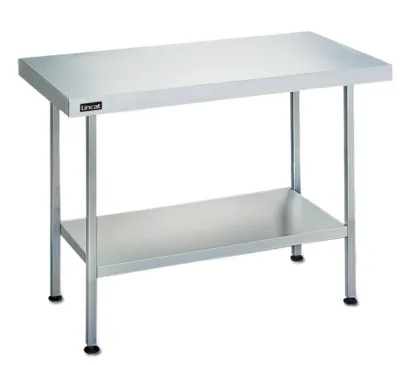
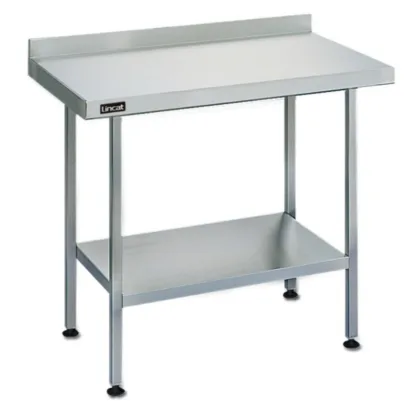
- The kit is simple and rarely fails. Shelving, worktables, basic back-bar items. There’s little warranty value in renting things with no moving parts.
- You have soft water and light use. A village café doing 30 covers puts a fraction of the wear on a machine that a town-centre pub does.
- You have in-house maintenance. Groups with their own engineers, for instance, change the maths entirely.
- You’ve found quality second-hand. A well-serviced used machine at half price can beat both new purchase and rental, if you can carry the repair risk.
The mistake we see is buying the business-critical machine to save money, then discovering the savings assumed it would never break. If you do buy, budget for an annual service and keep a contingency for the machine’s mid-life repairs, because in a commercial kitchen there will be some.
When Renting Is the Right Call
Renting wins when cash is tight, downtime is expensive, or the machine works hard in tough conditions. That describes most tenanted pubs and most first-year venues, which is why the equipment on our vans skews heavily towards exactly those sites.
Rent when:
- You’re opening or taking over a site. With equipment eating 60 to 70% of startup costs in 2025’s guides, renting the warewashing and refrigeration can free tens of thousands of pounds for stock, staff and marketing.
- The machine is business-critical. Glasswashers, dishwashers, ice machines and bottle coolers earn money every trading hour. These are the machines where included parts and labour pays for itself.
- Your water is hard. Scale risk transfers to the rental company. In our patch, that matters.
- Your tenancy is short or uncertain. Don’t bolt £20,000 of owned assets to a building you might leave in three years.
There’s a speed advantage too. A rental firm holds stock and installs routinely, so a new tenant can have a working bar in days. Waiting weeks for a purchased machine to arrive, then booking an installer, is how opening dates slip.
Advanced: The Mixed-Fleet Approach
If you’re already running a venue, the strongest position is usually not all-rented or all-owned but a deliberate mix. Rent the machines that would stop trade if they failed; own the ones that wouldn’t.
Here’s the split we see working in well-run venues: rented warewashing and ice (high duty cycle, water-dependent, service-critical), owned cooking equipment where the kitchen team maintains it, and owned simple refrigeration where a spare exists. The rule underneath it: rent the risk, buy the stability. Map each machine against two questions. Would its failure stop service tonight? And is its failure likely, given age, water and workload? Two yeses mean rent, two noes mean buy, and one of each means look at your cash position.
The prerequisite is knowing your actual breakdown history. Pull your last two years of repair invoices before deciding anything; venues are routinely surprised by which machine is quietly costing the most.
Getting Started
Start by listing every machine in your venue with three columns: what it would cost to replace, what happens to service if it fails, and what it cost you in repairs last year. That 20-minute exercise usually makes the rent-or-buy split obvious.
Then price both routes for the machines in the “rent” column. Our rental equipment pages publish every price, so you can do the maths from this article without phoning anyone. Finally, if you’re taking over a site, walk it with an engineer before you sign anything: inherited equipment is where first-year budgets go to die.
Not sure where your machines fall? Request a quote or call the office on 01785 247 267 and talk it through with an engineer.
Frequently Asked Questions
Is it cheaper to rent or buy commercial catering equipment?
Buying is usually cheaper over five years if the machine stays healthy: roughly £2,380 versus £4,500 for a 400mm glasswasher at 2026 prices. Renting, in contrast, is cheaper once you count repair risk, downtime and the value of keeping £1,980 to £3,800 per machine in the bank.
What does catering equipment rental typically include?
A proper rental includes the machine, delivery, professional installation, staff training and a continual parts and labour warranty, so breakdown callouts cost nothing. Chemicals and consumables are normally excluded. Always confirm callout charges before signing; not every firm includes them.
How much does it cost to equip a commercial kitchen in the UK?
In 2025’s industry guides, a small commercial kitchen costs £25,000 to £40,000 to equip, and larger kitchens £60,000 to £100,000 (Restroworks, 2025). Kitchen equipment overall can account for 60 to 70% of total startup costs.
Are equipment rental payments tax deductible?
Yes, rental payments are an operating expense and normally fully deductible from profits in the year paid. Purchased equipment gets relief through capital allowances instead (GOV.UK, 2026). Ask your accountant which treatment suits your profit position; the answer differs for loss-making years.
What’s the difference between renting and leasing catering equipment?
Renting is a flexible agreement where the supplier owns and maintains the machine, with parts and labour included. Leasing is a fixed-term finance product: you commit for the term and usually carry maintenance yourself. Leasing suits predictable, long-term needs; renting suits anything that might change.
How quickly can rented equipment be installed?
Days, in most cases. Rental firms hold stock and install constantly, so a glasswasher or bottle cooler can typically be delivered, plumbed in and commissioned within a week of a signed agreement. We regularly install for new tenants between exchange and opening night.
The Bottom Line
Make the rent-or-buy call per machine, not across your whole venue. Four things decide it: cash, water, workload and what a failure would cost you on a Saturday night. Get the business-critical machines onto fixed, all-inclusive payments, own the stable stuff, and revisit the split whenever your tenancy, volumes or repair bills change.
The wider market has already moved this way: record SME asset finance in 2025, closures concentrated among the venues with the least cash headroom, and every 2026 cost trend pushing operators towards predictable outgoings. Equipment is the one big cost where you get to choose the shape of the line.
Continue learning
Costs and pricing:
- How Much Does Commercial Glasswasher Rental Cost in the UK? — real 2026 prices, what’s included, and how rental compares with buying
- Ice Machine Hire Cost UK — what you’ll pay per week to hire, and what’s included
- Commercial Dishwasher Rental Cost vs Buying Outright — the point where renting and owning cross over
- The True Cost of Owning a Commercial Glasswasher Coming soon
Rental pricing pages:
Sources & references (14)
- Barcare, rental equipment pricing pages, retrieved 2026-10-23 — barcare.co.uk/rental-equipment/
- Grant Thornton, Autumn Budget 2026 predictions (20% business rates cut for pubs, social clubs and live music venues in England from April 2027, confirmed 23 July 2026), updated 2026-10-20, retrieved 2026-10-23 — grantthornton.co.uk/insights/autumn-budget/2026-predictions/
- UKHospitality, British Beer and Pub Association, British Institute of Innkeeping and Hospitality Ulster, joint members’ survey on the April 2026 business rates and wage changes, reported 2026-04-01, retrieved 2026-09-21 — thespiritsbusiness.com/2026/04/business-rates-hike-64-of-uk-hospitality-to-cut-jobs/
- Square, “How Much Does it Cost to Open a Restaurant in the UK?”, retrieved 2026-07-19 — squareup.com/gb/en/the-bottom-line/starting-your-business/restaurant-start-up-costs
- Restroworks, “Cost To Open A Restaurant In The UK”, retrieved 2026-07-19 — restroworks.com/blog/how-much-does-it-cost-to-open-a-restaurant-uk/
- Finance & Leasing Association, “Asset finance new business grew by 1% in 2025”, retrieved 2026-07-19 — fla.org.uk/news/asset-finance-new-business-grew-by-1-in-2025/
- CGA by NIQ and AlixPartners, “Hospitality Market Monitor, H1 2025”, retrieved 2026-07-19 — alixpartners.com/insights
- UKHospitality, Quarterly Members’ Survey, retrieved 2026-07-19 — ukhospitality.org.uk/insight/quarterly-members-survey/
- UKHospitality, “Wage increases make Budget support for hospitality essential”, retrieved 2026-07-19
- UKHospitality, “Hospitality’s 2026 energy shock: It’s time to build your defences”, retrieved 2026-07-19
- GOV.UK, “Claim capital allowances”, retrieved 2026-07-19 — gov.uk/capital-allowances
- Barcare, Classeq glasswasher range pricing (C400/C400WS/C500/C500WS), retrieved 2026-07-27 — barcare.co.uk/product-category/commercial-glasswashers/
- Barcare, Classeq pass-through dishwasher range pricing, retrieved 2026-07-27 — barcare.co.uk/product-category/classeq-dishwashers/pass-through-dishwashers/
- Kinetico Advanced Water Systems, “How Hard Water Damages Your Appliances & Shortens Their Lifespan”, retrieved 2026-07-19


