







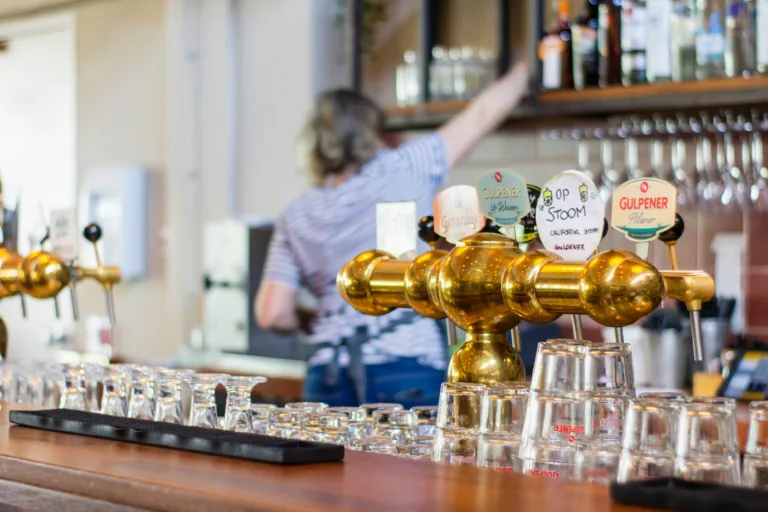
Beer lines are the last three metres of a supply chain that starts at the brewery. Everything upstream can be right and a dirty line will still put a cloudy, sour pint in front of a customer.
The short answer to the question most people arrive with: clean them every two weeks. The rest of this page covers what happens when you don’t, what the cleaner actually does, and whether to do the job yourself.
Cleaning frequency
How often should I clean my beer lines?
Every two weeks. In a survey by the Brewers Association, 95% of brewing industry experts recommended a two-week cycle.
Exactly where you land depends on the beer you serve, how long your lines are, and local regulations. Two weeks is the working default; shorter if you are running unfiltered or high-turnover product.
What happens if I don’t clean them regularly?
Bacteria, yeast, mould and beer stone build up inside the line. That produces off-flavours and cloudiness, and it degrades the beer well before anyone complains. It also affects the performance of the dispensing system itself, so the problem is not only what is in the glass.
What do I get out of a regular schedule?
Three things: the health and safety of your customers, consistent draught quality, and dispensing equipment that keeps working as it should.
Choosing and using beerline cleaner
Do I need a dedicated beerline cleaner, or will a general cleaning solution do?
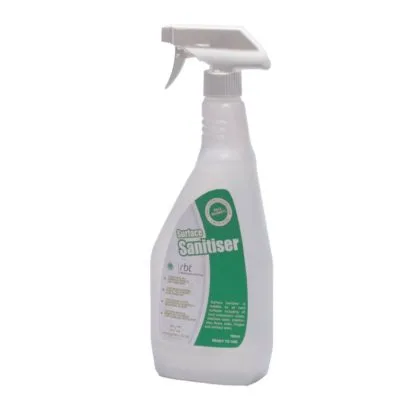
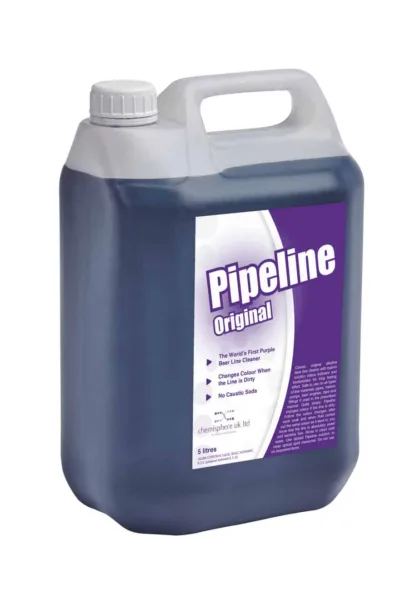
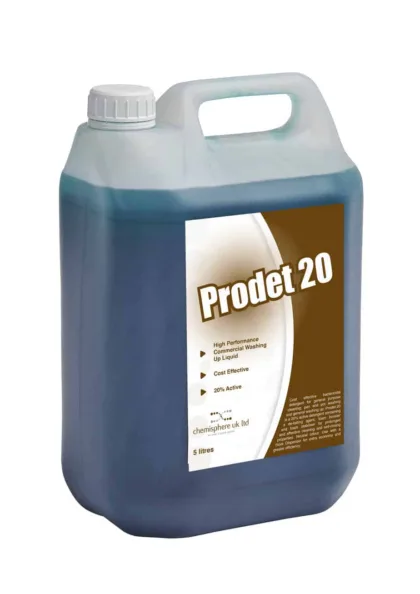
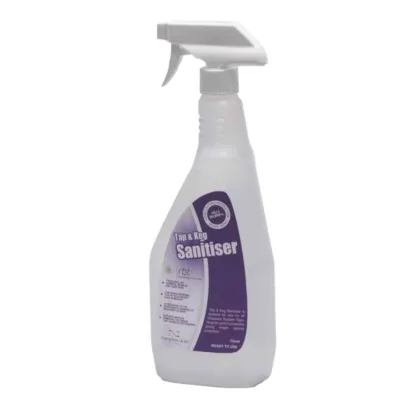
Use a dedicated product. Beerline cleaners are formulated for the specific residues that build up in beer lines. A general-purpose cleaner is not, and will not reliably shift them.
How does beerline cleaner work?
Beerline cleaner generally combines detergents and disinfectants. The detergents break down organic deposits; the disinfectants kill bacteria. You need both, which is why a detergent alone is not enough.
Is it safe for my beer and my equipment?
Yes, when used as directed. High-quality beerline cleaners are designed to be safe for both. The qualifier matters: follow the stated procedure, because the safety margin assumes you are doing so.
Can I use it for other cleaning jobs around the bar?
No. It is formulated for beer lines. It shares some properties with general cleaning solutions, but use it only for its intended purpose.
What is the difference between liquid and powder?
They do the same job. Liquid arrives pre-dissolved; powder has to be mixed with water first. The mixing is where the risk sits — quantity, consistency and handling all have to be right, so powder rewards care and a steady routine.
How long does it take to work?
It depends on the product. Follow the manufacturer’s stated contact time; that figure is what the formulation was tested against.
Does it work on both short-draw and long-draw systems?
Some products cover both, but not all of them do. Check the specification against your own setup rather than assuming.
Doing it yourself
Should I clean my own lines, or bring in a professional?
Both are legitimate. The decision usually comes down to the size of the site, how complex the dispensing system is, your budget, and preference. A single bar with a short run is a different proposition from a multi-floor venue with long draws.
Whichever you choose, follow the guidelines from your cleaner’s manufacturer.
What safety equipment do I need if I do it myself?
The chemicals in beerline cleaners are harsh. Use personal protective equipment:
- A mask, to avoid inhaling the spray.
- Eye protection — goggles rather than glasses.
- Gloves.
- Remove any contaminated clothing immediately.
Beyond the lines
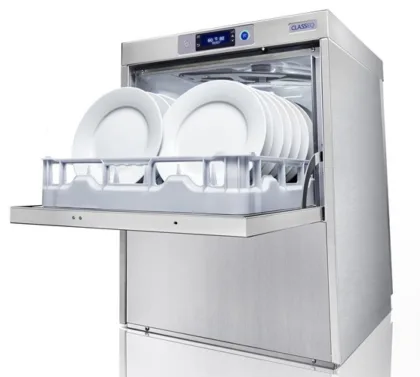
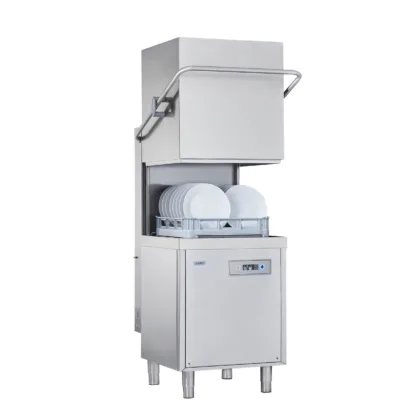
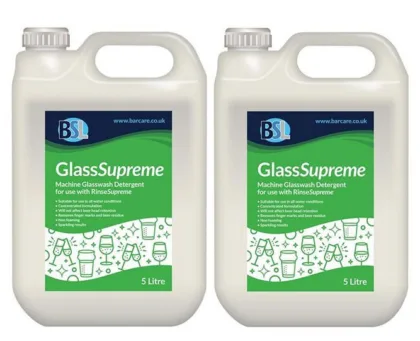
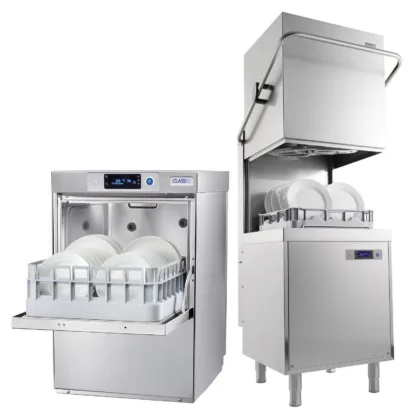
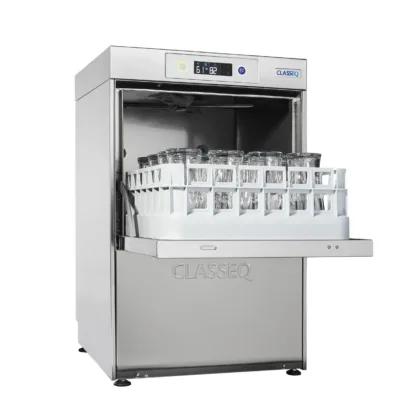
Clean lines are one half of a clean bar. The other is glassware: a wet or dirty glass will flatten a well-kept pint just as fast as a dirty line will sour it. If you are costing that side of the operation, see how much commercial glasswasher rental costs in the UK.
And if you are weighing whether to own your bar equipment at all, our guide to renting versus buying commercial catering equipment works through the five-year cost of both.


