


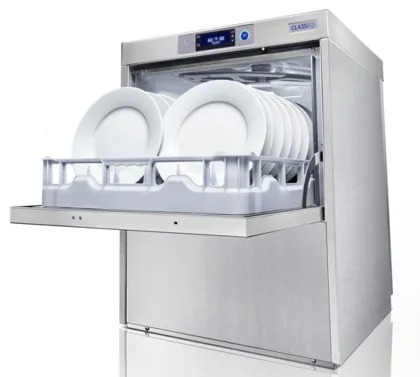

























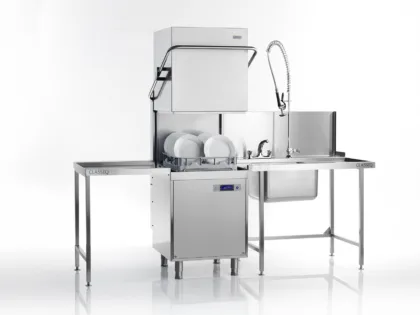

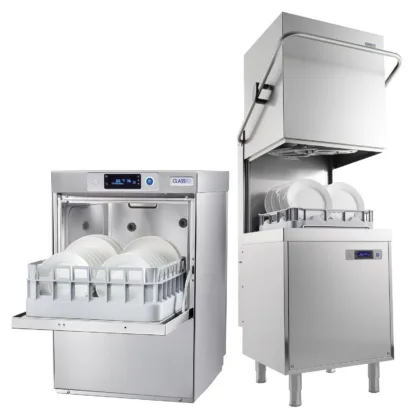
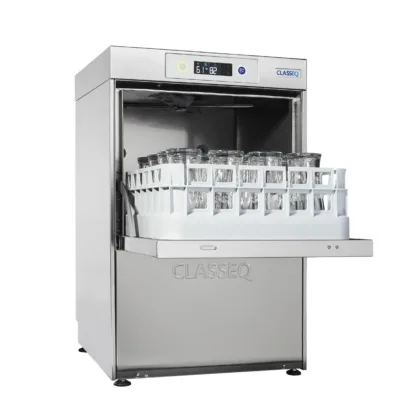


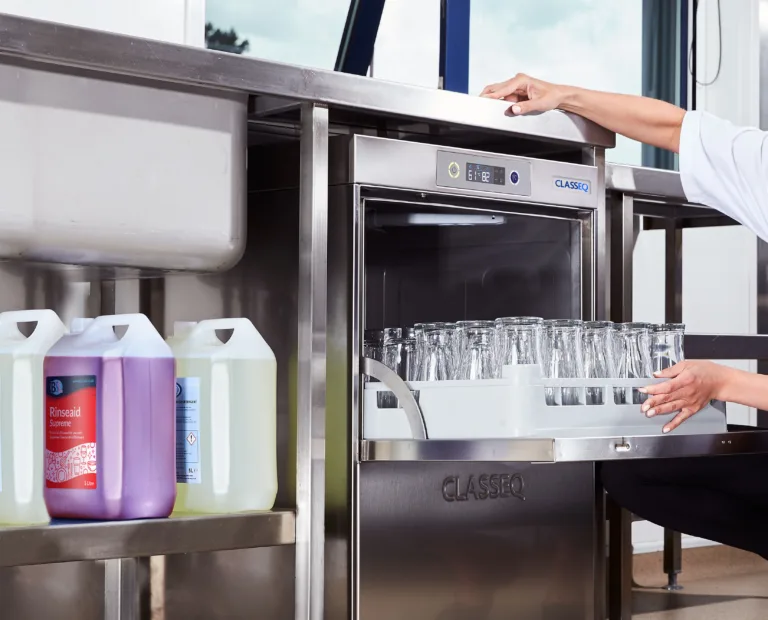
To clean a commercial glass washer, drain it down at the end of every service and switch it off. Then take out and rinse the filters, the wash and rinse arms and the basket ramp, wash out the chamber, and leave the door open overnight. That’s Classeq’s own daily routine. Add a weekly check of the spray nozzles, door seal and chemical levels. In a hard water area, keep the softener topped up with salt, and descale the wash tank whenever limescale starts to show.
Before service: get the machine ready
- Let it heat up fully, and wait for the ready light before the first basket goes in. Classeq says to allow at least 45 minutes, or until the light turns green. A machine that hasn’t reached temperature won’t clean properly.
- Check the temperatures. Classeq sets its undercounter glasswashers at the factory to wash at 55°C and rinse at 70°C. Dishwashers rinse hotter, at 82°C. Some models are set differently, so compare the display with your own manual. If the water is too cool the glasses come out dirty, and if it’s too hot it shortens their life.
- Make sure the detergent and rinse aid bottles both have enough in them for the shift, and that each tube sits in the right bottle. A swapped tube is an easy mistake to make after a delivery.
- Check the filters are in place. Never run the machine with one missing.
During service: load it properly
- Empty every glass first. Leftover beer, wine and soft drinks dilute the detergent and dirty the wash water.
- Take out fruit, straws, cocktail sticks and pips, because solid debris blocks the filters and the wash arm jets.
- Don’t overload the basket. The water has to reach every glass.
- Keep lightweight plastic out of the machine. Plastic shot glasses bounce around the wash zone and jam the wash arms.
- Deal with lipstick before the wash. Modern lipstick rarely comes off in a glasswasher alone. A pre-wash with a lipstick remover such as Eliminate gets it off.
- Let each cycle finish, without opening the door or switching off part way through.
- Change the wash water regularly through a busy session. Draining and refilling stops the machine washing glasses in dirty water.
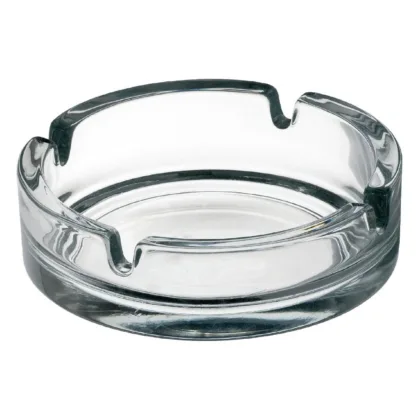
- Never put ashtrays through a glasswasher.
How to clean a glass washer at the end of the day
Classeq recommends cleaning the inside of the machine after each service, once it’s drained down. Do it in this order:
- Drain the machine and switch it off at the isolator.
- Remove and rinse the primary and secondary filters.
- Remove the top and bottom wash and rinse arms. Rinse them under the tap and check every jet is clear. On current Classeq C400 and C500 models the arms click in and out.
- Remove and clean the basket ramp.
- Wash out the tank and chamber with a sponge or brush, working into the corners and around the outlets.
- Clean around the door hinge and the door wells, where debris and slime collect.
- Clear out any broken glass. A wet vac is the safest way to lift glass and grit out of the wash zone.
- Wipe the outside with a damp, not wet, cloth. Once it’s dry, finish with a stainless steel cleaner.
- Refit the filters and arms, so they’re in place before the machine is next switched on.
- Leave the door open overnight so the chamber dries out. Shut it and the trapped moisture grows mould and bacteria, and the machine smells by morning.
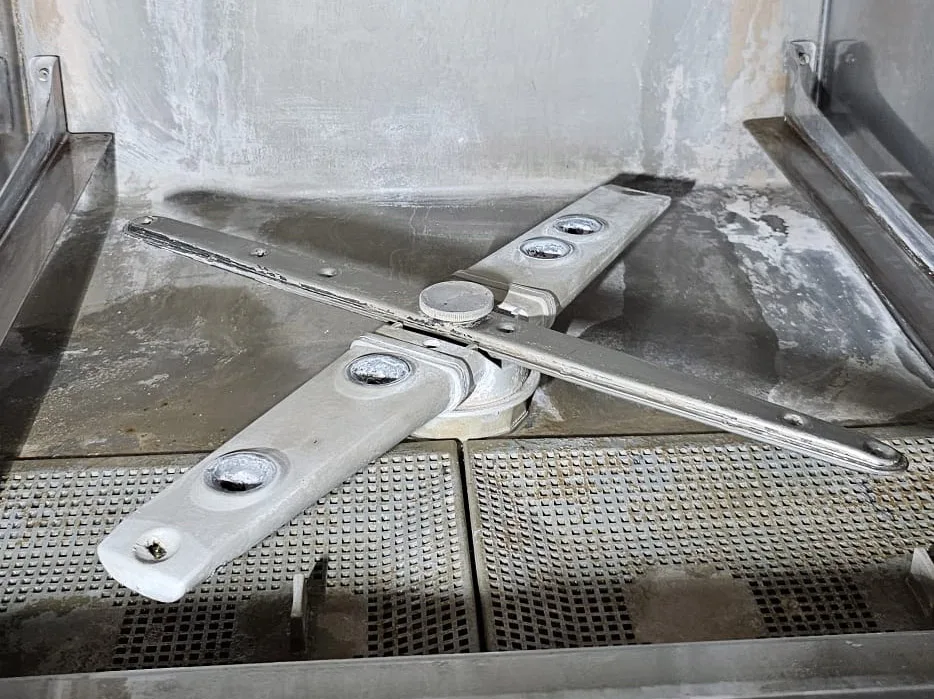
Example of a dirty glasswasher
What not to clean it with
Classeq’s guidance rules out four things. Never use domestic detergent, or any cleaner that contains chlorine, bleach or hypochlorite. Don’t use steel wool, wire brushes or anything abrasive on the stainless steel. And never point a jet wash or hose pipe at the machine.
Weekly checks
Once a week, or more often in a busy venue, look a bit deeper:
- Check the spray nozzles and jets on the arms are clear of scale and debris.
- Look at the door seal and door corners. They should be free of debris, and the seal shouldn’t be split.
- Look for pink or orange slime around the door or in the corners. Leftover drink residue causes it, and it harbours bacteria. If you find it, the machine either isn’t being cleaned often enough or isn’t getting enough detergent, or the detergent isn’t up to the job.
- Check the chemical tubes are undamaged and in the right bottles.
- Look at the glasses themselves. Water should sheet off a clean glass rather than sit in droplets. Spots, streaks or a cloudy film point to the rinse aid, the softener or the water itself (see the fault table below).
How to descale a glass washer
Hard water leaves limescale, and limescale forms fastest in the hottest parts of the machine: the rinse element and the rinse tank. Classeq’s manual lists what it does over time. It coats the heating elements until they fail, blocks the rinse jets and furs up the hoses. It also leaves white marks on glasses.
When you find limescale, remove it with a commercial descaler such as Renovate De-Skale, which is hydrochloric acid based. Wear gloves and goggles, and follow the dosing on the label. For the wash tank, Classeq’s procedure is:
- Take the chemical tubes out of the detergent and rinse aid bottles and put the ends in a container of water. Prime the pumps so plain water fills the lines.
- Fill and drain the machine to clear any chemical left in it, then refill it.
- Descale the wash tank following the instructions on the descaler.
- Drain the machine. Don’t leave descaler in it for more than 2 hours.
- Refill and drain at least three times to rinse out the residue.
- Put the tubes back in their bottles and prime the pumps again.
The rinse boiler is harder to descale and needs a service engineer. How often you descale depends on your water and on whether a softener is fitted. With a working softener it should rarely be needed. In a hard water area without one, the scale will keep coming back however often you descale.
Classeq’s warranty doesn’t cover limescale damage. That includes damage from a missing water softener or one that hasn’t been regenerated properly, so letting the salt run out can leave you paying for the repair yourself.
How to salt a glass washer (water softener)
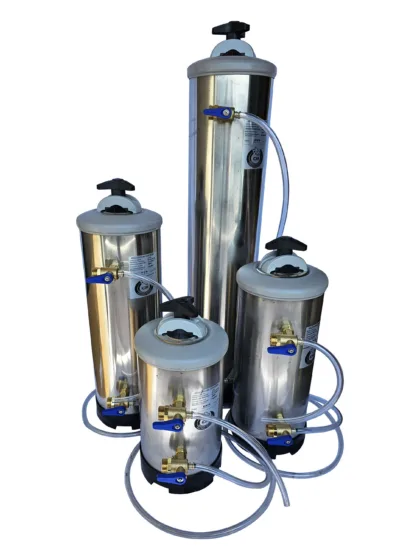
In a hard water area (Classeq’s threshold is anything over 3°dH), the machine needs a water softener. Either it’s built into the machine (models with WS in the name) or it’s an external unit plumbed into the supply. Your water company can tell you how hard your local water is, or you can test it with a simple hardness kit.
Built-in softener
When the Refill Salt light comes on:
- Open the door and take out the right-hand basket guide.
- Unscrew the salt reservoir cap at the back right of the chamber.
- Fill the reservoir with granulated salt, using the salt funnel.
- Wipe up any spilt salt, then refit the cap flat and secure. Don’t overtighten it.
- Drain the machine and refill it to flush out the salty water.
Only use granulated softener salt such as Granular Salt 10kg. Classeq says salt tablets aren’t suitable. Never put detergent or rinse aid in the salt reservoir, because it damages the machine. The light can stay on for up to three wash cycles after a refill.
External softener
Regenerate it as often as its manufacturer’s instructions say, with the salt they specify. Our guide to water softener salt covers the commonest problem, which is staff not knowing the softener is there, and what hard water does to a pint. Barcare stocks external water softeners and spares.
Detergent and rinse aid
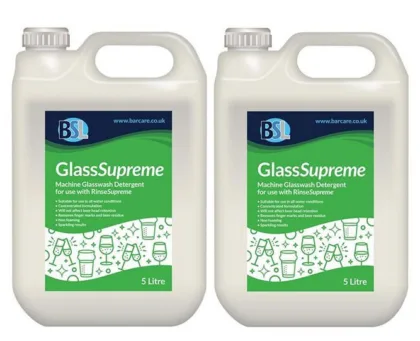
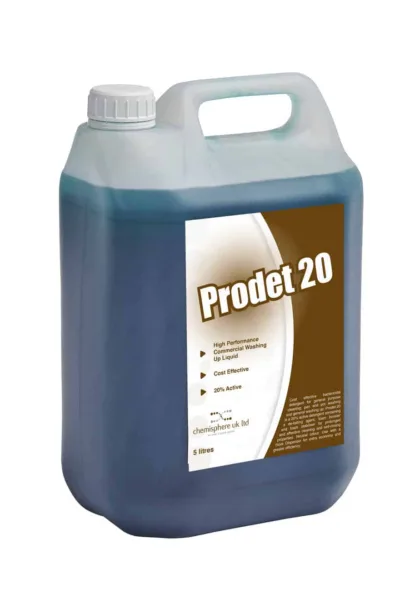
Water doesn’t clean the glass; the detergent does. Use a commercial glasswasher detergent made for the machine. Never use a domestic product. Rinse aid does a different job. It isn’t a cleaner: it lets water sheet off the glass so it dries without spots. Run out of either and the results drop straight away. Our post on choosing the right chemicals explains why cheap detergent costs more in the end.
Renovating your glasses
Cleaning the machine is one job. Cleaning the glasses themselves is another. Over time glasses pick up a film of protein, yeast and rinse aid that a normal wash won’t shift, and the head on a pint goes flat. A periodic soak in a renovating powder such as Original Renovate strips it off. Follow the instructions on the product.
Common problems and when to call an engineer
Before calling anyone out, reset the machine with the on/off button and work through the checks in your manual. Classeq warns that a warranty callout caused by not following the manual is charged.
| What you see | Check first | Call an engineer if |
|---|---|---|
| Glasses come out dirty | Filters and arm jets blocked? Detergent run out? Wash water needs changing? | It persists with clean filters and full chemicals |
| Spots, streaks or a cloudy film | Rinse aid level, softener salt, water hardness | The softener is salted but results don’t improve |
| Pink or orange slime | Daily cleaning, detergent dose and quality | |
| White scale in the chamber | Softener salt or regeneration; descale the wash tank | Scale is in the rinse boiler, or the machine is slow to heat |
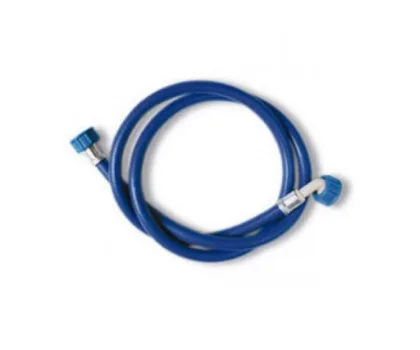
| Machine won’t fill, heat or drain | Water supply on, hose not kinked, drain filter clear | Any error code, or it still won’t run after a reset |
| Door leaks | Door seal for debris or splits | The door won’t shut tight (damaged hinges) |
Doors get damaged when they’re slammed, yanked or leant on. Once the hinges go, the door stops sealing, and the machine leaks, cleans worse and uses more water and energy.
Getting it serviced
Daily cleaning keeps a glass washer working. A service catches what cleaning can’t: worn seals, scaled elements, failing pumps. Barcare’s engineers install and service commercial glasswashers, and we offer maintenance plans. If you’d rather not own the machine at all, glasswasher rental includes parts, labour and callouts.
More warewashing guides
- Why choosing the right chemicals matters
- Use salt for water softeners to get sparkling pint glasses
- Why drying glassware matters behind the bar
- What does “WRAS approved” mean?
- Beer line cleaning: frequently asked questions
- Glasswasher rental cost in the UK
Sources: Classeq, Under Counter Range User Manual (document 30014469, Rev F), sections 1.4, 4.5, 6.4, 7.2 to 7.5 and 8. Classeq, Good Practice Guide: Glass and Dishwashing (document 30014490, Rev A). Product labels for Renovate De-Skale, Granular Salt and RinseSupreme.


